Domain Talk
The Blog Where Domain Experts Share Their Wisdom And Market Insights
MOST RECENT POSTS

As we progress through 2026, the digital landscape has shifted from a destination-based web to an autonomous, agent-driven ecosystem. We have entered the Agentic Web, a reality where the primary "users" of your domain are no longer people, but AI agents acting as intermediaries. This transition has turned the domain name into a critical "Identity Anchor," where the choice of a Top-Level Domain (TLD) and its phonetic structure dictate a company's survival in an automated marketplace. Moving towards a "Battle for Identity," signaled by the divergence between the reasoning prestige of .AI and the functional transparency of .BOT, the rise of secure .BRAND TLDs now reflect a new mandate for unphishable, sovereign namespaces. Ultimately, a modern brand strategy must be bilingual and designed for human recognition as well as machine verification if it is to ensure that in an increasingly automated world, your identity will remain your most valuable currency...
Posted: 11 Mar 2026

In 2026, your most frequent customer isn't a human scrolling through a browser, it's an AI agent navigating a voice-first world. While legacy brands are still paying millions for names that look good on a billboard, the forward-thinking elite are pivoting to Phonetic Fluidity, having discovered they were unknowingly paying the "Spelling Tax." If your brand name requires an explanation, a manual correction, or a repeat command to a voice assistant, you are bleeding conversion and trust with every interaction. At domainAlot, we've audited the shift from the eye to the ear, uncovering assets that outperform dictionary terms in the new Agentic Web. Inside this deep dive, we reveal the linguistic science of the 2026 economy, and the three-step audit every founder must perform before their next acquisition. Is your brand built to be seen, or is it built to be heard?
Posted: 05 Feb 2026

In 2026, the digital landscape has shifted from a visual-first to a voice-first economy, rendering the "visual-only brand" an endangered species. As AI agents and voice-activated commerce become the primary gatekeepers of web traffic, the traditional value of a domain has moved away from how it looks on a screen to its Phonetic Fluidity. By tracing the evolution of naming through the Descriptive, Vowel-Drop, and Abstract eras, it becomes clear that we have returned to a need for natural language, where brands like Otrivio represent the new gold standard because they pass the "Radio Test" with 1:1 phonetic accuracy. Ultimately, in an age where the screen is increasingly optional, ambiguity is a tax, and the most valuable digital real estate belongs to those whose names require no spelling, no clarification, and zero friction in a spoken world. Does yours...?
Posted: 21 Jan 2026

Once upon a time, when the internet was still in its infancy and countries were being designated their own unique website addresses known as a country code top-level domain (ccTLD) such as .us for the US, and .uk for the UK, a small Caribbean island of Anguilla, managed to land the address .ai. Unknown to anyone what .ai would become, in recent times, the .ai domain has grown into the digital hub for the global artificial intelligence revolution, driving a modern-day gold rush in the digital landscape. For startups, entrepreneurs, domain investors, and domain flippers alike, the question is simple and ultimately the same. Why are .ai domains so expensive compared to other domains, and are they worth it?
Posted: 19 Dec 2025
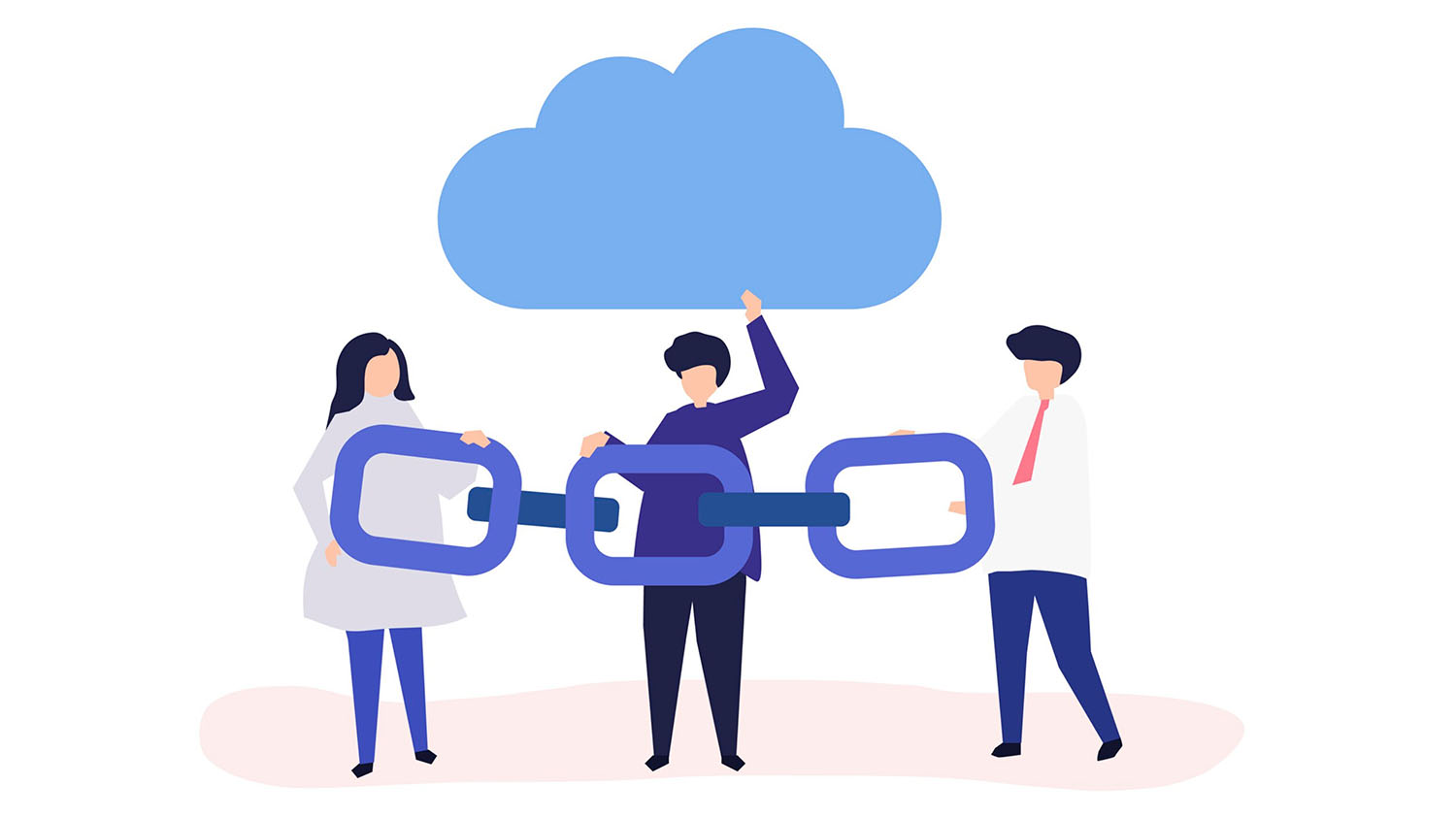
The term "web3" was first coined in 2014 by Gavin Wood, co-founder of Ethereum, to describe a decentralised online ecosystem based on blockchain technology. Since then, it seems to have become a media catch-all for concepts like crypto, NFTs, and the supposed "next generation of web ownership." Despite dominating headlines, web3, or Web 3.0, has failed to meet the revolutionary expectations once set for transforming the internet. In this third and final installment of his series, John Henkel examines the claims of blockchain supporters to determine if Web3 domains truly offer a viable alternative to traditional domain registration or are simply an illusion that supersedes their purported technology and innovation.
Posted: 01 Dec 2025

Web 3.0 is a prominent, yet overused term that is associated with a decentralised, blockchain-based internet. In this "utopian" and revolutionary virtual world, domain names, or Web 3.0 domains, are marketed as a permanent, censorship-resistant alternative to traditional domain systems, offering ownership without annual renewals. The truth, however, is far less convincing, including issues of compatibility with the existing Domain Name System (DNS). In this second part of his three-part series focused upon Web 3.0, John Henkel examines the underlying problems of these new domains, taking a closer look at what makes a blockchain-domain different, and why these problems are more serious than promoters of Web 3.0 care to explain.
Posted: 18 Nov 2025
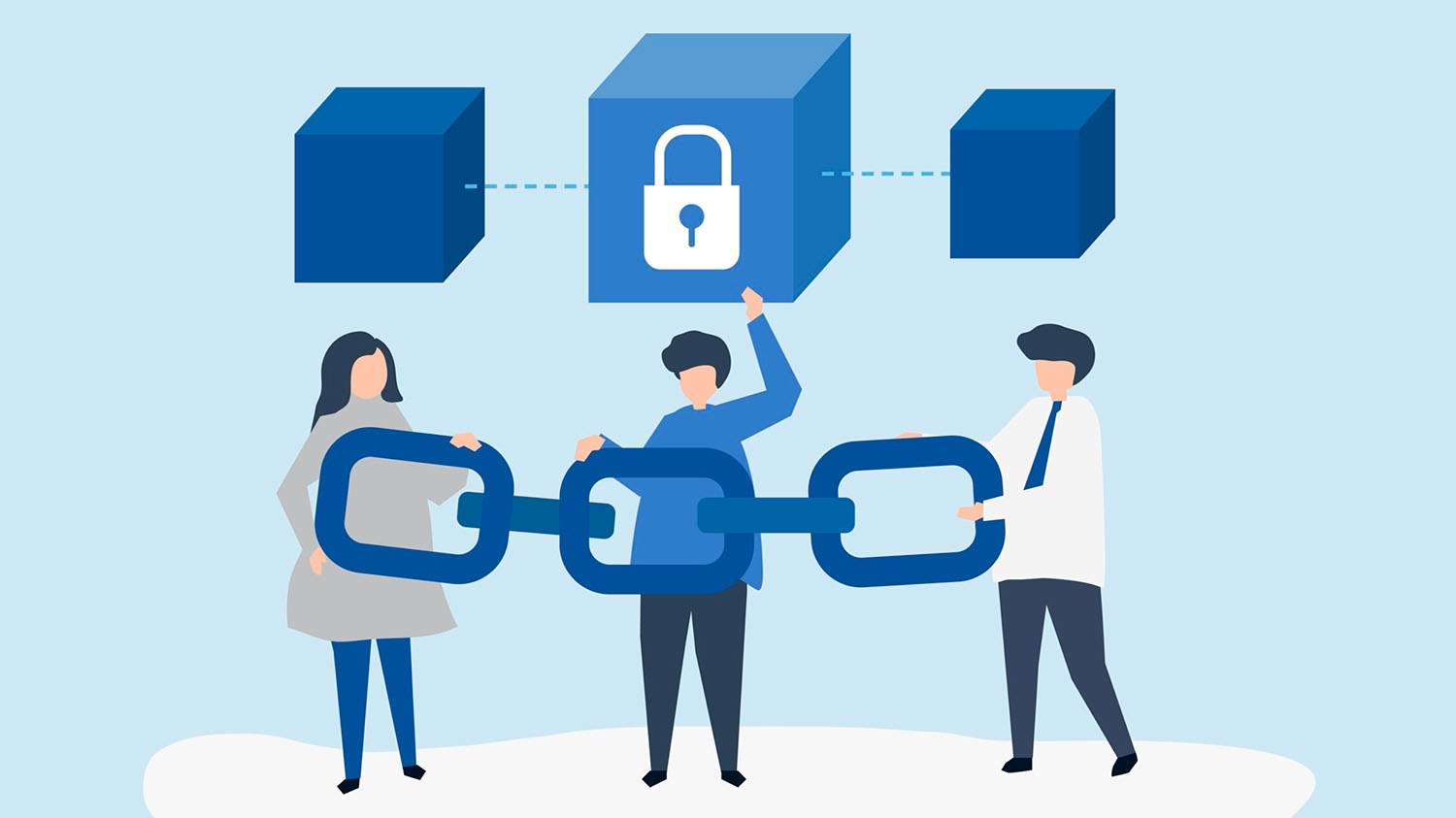
In the beginning, Web 3.0 promised revolution with cryptocurrency and financial independence from the banking system. Then came a new, and smarter way for artists and creatives to finally get the revenues they deserved from their work through Non-Fungible Tokens (NFTs). Now, Web 3.0 has turned it's attention towards the very infrastructure of the internet itself and how we find products, services, companies, and sites online: through web domains. In this first, of a three-part series, John Henkel, takes an in-depth look at blockchain domains to see how they differ from those of traditional registrars, and asks the question, can you, or anyone else really ever own a Web 3.0 domain?
Posted: 06 Nov 2025
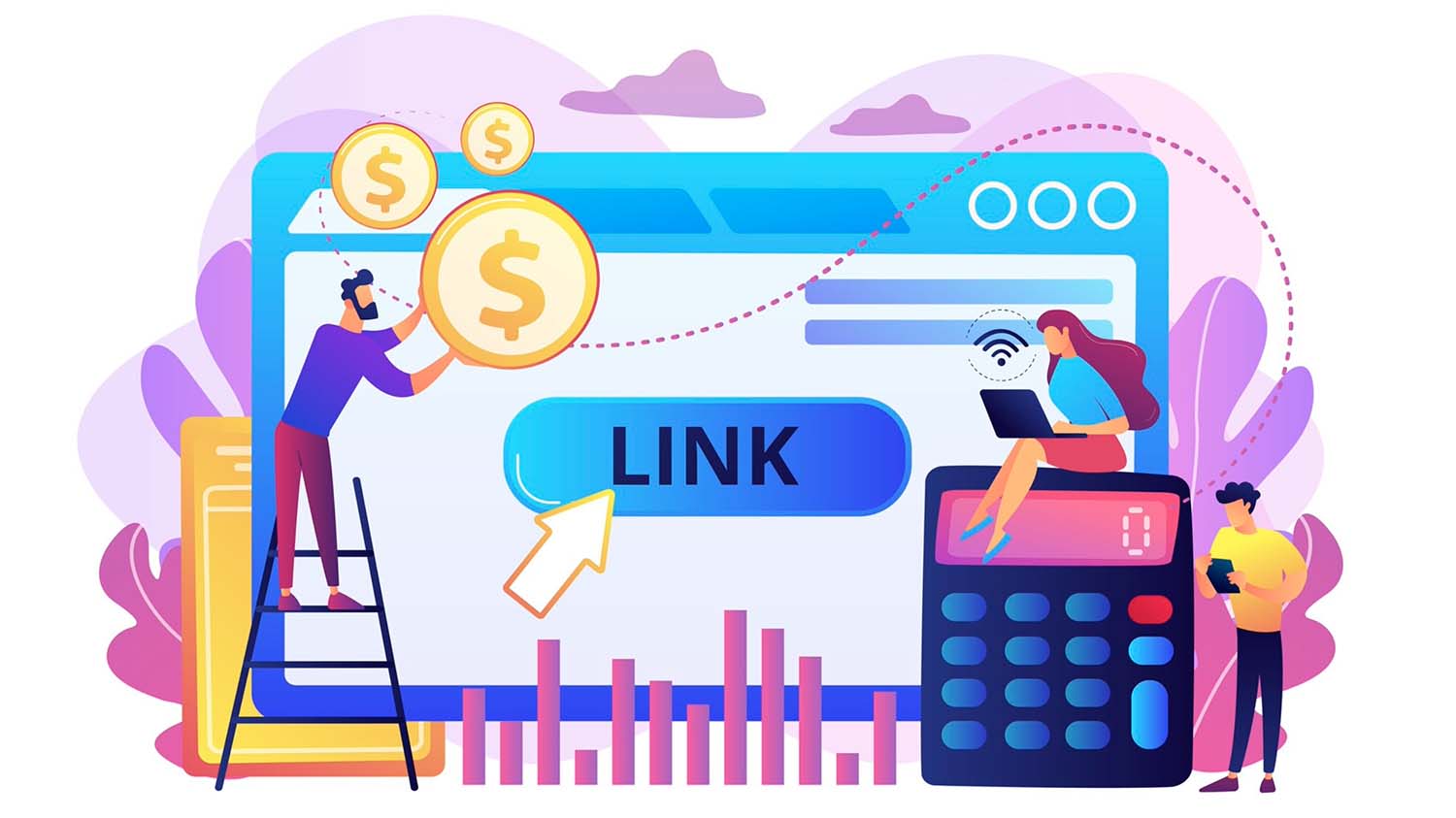
Owning a domain name is more than a digital claim, it's a real investment with the potential to earn steady income. In this article, we explore the most effective domain monetisation strategies, from parking and affiliate marketing to leasing and content development. Each method offers a different path to turn your portfolio into a sustainable revenue stream while increasing the long-term value of your digital assets. So, whether you own one domain or hundreds, the opportunities to generate ongoing value are right at your fingertips, and shouldn't be missed.
Posted: 29 Oct 2025

In the fast-moving world of domain acquisitions, hesitation can be costly. Waiting too long to secure a desired domain name can lead to disappointment, higher resale prices, or the loss of an ideal digital identity altogether. Through real-world examples of missed opportunities that include startups who delayed a purchase only to see their preferred domain snapped up, readers gain insight into the importance of acting decisively when a strong, suitable brand name becomes available for their needs.
Posted: 14 Oct 2025

Expired domains sound like leftovers, but in reality they're one of the most competitive and rewarding parts of the internet economy. Every day, thousands of names slip through the cracks and become available again, and for the right buyer that's where the opportunity begins. The big question everyone asks is simple: where do you actually buy expired domains, and how do you know if you're getting value? The truth is, there's no single answer. Expired domains aren't about buying cheap. They're about buying right. And that's what separates lucky breaks from sustainable wins.
Posted: 18 Sep 2025